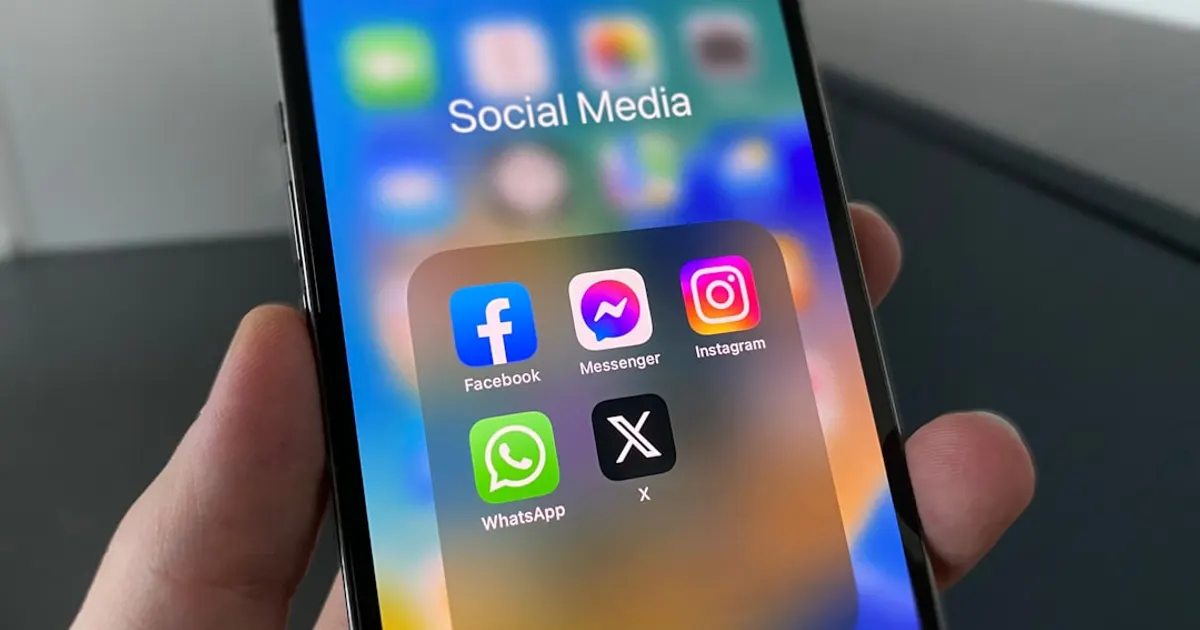
Social media generates real leads for home service companies when you focus on the right platforms and post content homeowners actually care about. Facebook and Instagram drive the most business for contractors. YouTube builds long-term SEO value. TikTok expands reach. The key is before/after project photos, day-in-the-life content, and quick tips, not stock graphics and motivational quotes.
Which Platforms Matter for Home Service Companies
Most contractors hear "you need to be on social media" and start posting on every platform. That's a waste. Each platform serves a different purpose, and some aren't worth your time at all.
Facebook: Your Local Lead Machine
Facebook is still the top social platform for home service companies. Not because it's trendy. Because it's where homeowners over 35 spend their time, and that's your buying demographic. According to the Pew Research Center's social media fact sheet, 73% of U.S. adults aged 30-49 use Facebook, making it the most saturated platform for homeowner demographics.
What makes Facebook work for contractors:
- Local community groups. Homeowners post "who does good plumbing work?" and members tag companies. If your page has reviews and project photos, you win.
- Facebook Marketplace. Some contractors list services here for free visibility.
- Paid ads with targeting. You can target homeowners by zip code, home value, and interests. A $500/month Meta ad budget reaches thousands in your service area.
- Review visibility. Facebook reviews show up in Google search results. More reviews on Facebook reinforce your reputation management across platforms.
Post frequency: 3-4 times per week. Mix project photos, tips, team content, and one promotional post per week.
Instagram: Perfect for Visual Trades
Landscaping, cabinet refacing, painting, remodeling, and any trade with dramatic visual transformations. Instagram was built for this content.
The algorithm rewards Reels (short videos) over static photos. A 15-second before/after time-lapse of a patio installation gets more reach than a polished graphic. Research from Hootsuite's Social Trends Report shows that short-form video generates 2x more engagement than static image posts across all industries. Homeowners want to see real work, not stock images.
What works on Instagram:
- Before/after carousels (swipe to reveal the transformation)
- Reels showing your crew in action. No script needed. Real work, real sound.
- Stories for behind-the-scenes content and quick polls
- Project highlights saved to your profile as a permanent portfolio
Post frequency: 3-5 times per week. At least 2 Reels.
YouTube: Long-Term SEO Value
YouTube is the second largest search engine. When a homeowner searches "how much does HVAC replacement cost" or "how to choose a landscaper," YouTube videos appear in Google results. This makes it a strong complement to your SEO strategy.
The content you post today continues generating views and leads for years. A 5-minute video answering "what to expect during an AC installation" positions you as the expert and builds trust before the customer ever calls.
What works on YouTube for contractors:
- "How much does [service] cost in [city]?" pricing videos
- Process walkthrough videos showing how your crew completes a job
- Customer testimonial videos (even filmed on a phone)
- Seasonal tip videos: "3 signs your AC is failing before summer"
Post frequency: 1-2 videos per month. Consistency beats volume. A well-titled video with good keywords will outperform a polished production with a vague title.
TikTok: Reach, Not Leads (Yet)
TikTok's algorithm pushes content to audiences beyond your followers. A single video of an oddly satisfying pipe repair or a dramatic tree removal can hit 100,000+ views. That builds brand awareness fast.
The challenge: TikTok users skew younger. They're renters, not homeowners. The platform generates awareness and recruits, not booked jobs. If you're already posting Reels on Instagram, repurpose the same content to TikTok. Takes 2 minutes.
Skip LinkedIn and X (Twitter)
Homeowners don't search for contractors on LinkedIn. X doesn't drive local business. Unless you're targeting commercial contracts or B2B partnerships, your time is better spent on the four platforms above.
Content Types That Generate Leads
The posts that fill your schedule are not branded graphics with your logo. They're real, human content that shows your work and your team.
Before/After Photos and Videos
The single most effective content type for every home service trade. Dramatic transformations stop the scroll. A dirty HVAC system next to a clean one. An overgrown yard next to a finished landscape. A cluttered panel next to clean wiring. Every trade from plumbing to electrical has transformation moments worth capturing.
Shoot with your phone. Natural lighting. No filters. Homeowners trust raw, authentic content more than polished studio shots.
Day-in-the-Life Content
Follow a crew from truck to jobsite to finished work. 60-second Reels showing the reality of the trade. These posts build trust because they show competence, professionalism, and real people doing skilled work.
Quick Tips and How-Tos
"3 signs your water heater is about to fail." "5 things to check before hiring a landscaper." Tips establish authority. They give homeowners a reason to follow your page. And when they need the service, you're the company they remember.
Team Spotlights
Introduce your crew. Show their experience, certifications, and personality. Homeowners let your team into their homes. They want to know who's showing up. A quick post celebrating an employee's work anniversary or certification gets engagement and builds trust.
Job Completion Posts
Tag the neighborhood (not the customer's address). "Another [service] job completed in [neighborhood/city]." Shows your activity in the area. Homeowners see you working near them and think "I've been meaning to get that done."
Paid vs. Organic Social Media
Organic social media builds your brand and credibility over time. Paid social puts your business in front of targeted homeowners immediately. You need both, but they serve different purposes.
Organic: Build Trust and Stay Top of Mind
Organic posts build a library of project photos, reviews, and proof that your company does quality work. When a homeowner gets a recommendation in a Facebook group and clicks on your page, they should see recent, authentic content. A page with the last post from 6 months ago signals a company that's either struggling or doesn't care. Neither builds confidence.
Cost: Your time (or a team member's time). 30-45 minutes per day for content creation and engagement.
Paid: Generate Leads and Retarget
Meta ads let you target homeowners by location, age, home value, and interests. A landscaping company can target homeowners within 15 miles who own homes valued over $300K. An HVAC company can run "AC tune-up" ads starting in April.
Retargeting is where paid social gets powerful. Someone visited your website but didn't call? Show them a testimonial ad the next day. Retargeting ads cost $5-$15 per lead because the audience already knows your brand. For a deeper look at whether Facebook ads are worth it for your trade, read our breakdown on whether Facebook ads work for home service companies.
Budget recommendation: $500-$1,500/month for paid social. This is separate from your Google Ads budget, which captures high-intent search traffic.
Using Social Media for Recruiting
The trades have a labor shortage. Every contractor is hiring. Social media is one of the best recruiting tools available because it shows what working for your company actually looks like.
Post about your team culture. Show your trucks, equipment, and job sites. Highlight training programs and career paths. Run paid ads targeting tradespeople in your area. According to Bureau of Labor Statistics projections, the trades continue to face worker shortages, making social recruiting a real competitive advantage.
A $200 Facebook ad targeting adults 18-35 within 25 miles who list "HVAC," "plumbing," "landscaping," or "construction" as interests can fill your inbox with applicants. That's cheaper than a Indeed job posting and reaches people who might not be actively searching but are open to a better opportunity.
Track Leads, Not Vanity Metrics
Followers, likes, and shares feel good. They don't pay the bills. Track what matters:
- Leads from social. Use a dedicated phone number or landing page for social campaigns. Count actual calls and form submissions.
- Cost per lead. Total social ad spend divided by leads generated. Target $20-$50 per lead on Meta.
- Jobs booked from social. Ask every caller "how did you hear about us?" Track it in your CRM or on a whiteboard.
- Website traffic from social. Google Analytics shows how many visitors came from Facebook, Instagram, and YouTube. If they visit your site but don't convert, your website needs work.
According to BrightLocal's Local Consumer Review Survey, 98% of consumers read online reviews for local businesses. Your social media profiles are part of that review ecosystem. Active profiles with recent posts, customer interactions, and project photos reinforce the trust signals homeowners look for before calling.
What NOT to Waste Time On
Save yourself hours every week by skipping these:
- Posting on every platform. Pick two or three. Do them well. Facebook and Instagram are non-negotiable. YouTube if you have the capacity.
- Canva graphics with quotes. "Happy Monday!" posts don't book jobs. Post real work instead.
- Buying followers. Fake followers tank your engagement rate. The algorithm shows your posts to fewer real people when most of your audience is bots.
- Posting without a plan. Batch your content. Spend 1 hour on Monday filming or photographing jobs. Schedule posts for the week. Done.
- Ignoring comments and messages. A homeowner who comments "do you serve [neighborhood]?" is a lead. Respond within 1 hour. Treat DMs like phone calls.
For more ideas on generating leads beyond social media, read our guide on why home service companies lose leads online.
Your competitors are getting the calls you should be getting. Find out what's costing you leads.
Get Your Free Growth Audit