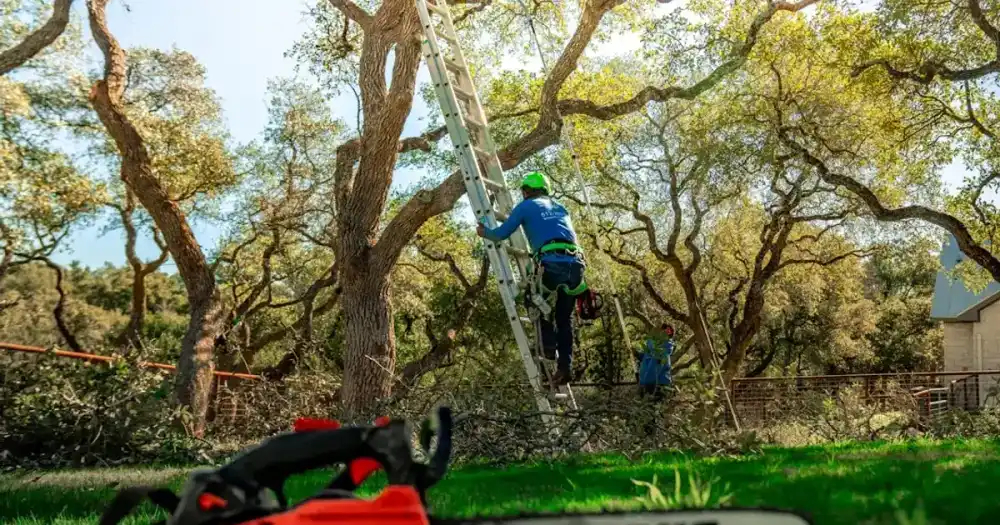
Storm damage marketing is how tree service companies prepare their advertising, website, and reputation to capture the surge of emergency calls that follow severe weather. Companies that have storm campaigns ready before the season starts book 3x to 5x their normal call volume during storm events. Companies that scramble after the storm hits watch those calls go to competitors who were prepared.
Storms Are the Biggest Revenue Event in Tree Service
A single major storm can generate more revenue in two weeks than a normal month. Fallen trees on houses. Limbs blocking driveways. Uprooted trunks leaning on power lines. Every one of those situations is an emergency call with a homeowner ready to pay a premium for fast response.
The problem is that every tree service company in the market gets busy during storms. The difference between the company that books 50 storm jobs and the one that books 10 is not crew size or equipment. It is marketing preparation.
According to the National Oceanic and Atmospheric Administration, the U.S. averages more than 1,200 tornadoes and 10,000 severe thunderstorm events per year. Each event triggers a wave of tree service searches in the affected area. The company that shows up first in those searches books the work.
Storm damage marketing is not a single campaign. It is a three-phase system: pre-storm preparation, during-storm response, and post-storm follow-up. Miss any phase and you leave revenue on the table.
According to the Tree Care Industry Association (TCIA), storm damage restoration is the fastest-growing segment of the tree care industry, with demand spikes of 300% to 500% in affected markets within 48 hours of a major weather event.
Phase 1: Pre-Storm Campaigns (Before Storm Season)
Storm marketing starts months before the first storm cell forms. The work you do now determines how many calls you capture when severe weather hits.
Build your storm damage landing page
Create a dedicated page on your website: "Emergency Storm Damage Tree Removal in [city]." This page should exist year-round, indexed and ranking, so it is already in position when a storm hits. Include:
- Your phone number above the fold with tap-to-call
- "24/7 emergency response" in the headline
- Response time commitment ("On-site within 2 hours")
- Photos from previous storm work your crews have done
- Insurance information and how you work with adjusters
- Service list: tree removal, limb clearing, stump grinding, tarping, debris hauling
Link this page from your main tree service marketing pages and your homepage navigation. It needs internal link strength to rank when it matters most.
The three-phase approach requires different budget levels and actions. Here is what each phase looks like side by side:
| Phase | Timeline | Budget Shift | Primary Channels | Goal |
|---|---|---|---|---|
| Pre-Storm | 60-90 days before season | Normal spend + content | SEO, blog content, GBP | Build rankings before demand hits |
| During-Storm | 24-72 hours after event | Increase 200-300% | Google Ads, GBP, social media | Capture emergency calls |
| Post-Storm | 2-4 weeks after event | Gradually reduce to normal | Email, retargeting, phone follow-up | Convert overflow leads, collect reviews |
Pre-season content marketing
Publish blog posts 60 to 90 days before your market's storm season:
- "How to prepare your trees for storm season in [city]"
- "Which trees are most likely to fall in a storm"
- "What to do when a tree falls on your house"
- "Does homeowner's insurance cover storm damage tree removal"
These posts rank during the research phase, when homeowners are thinking about storms but have not been hit yet. They also build topical authority that strengthens your emergency page rankings.
Set up Google Ads campaigns in draft mode
Build your storm-specific Google Ads campaigns before the season starts, but keep them paused. Target keywords like "emergency tree removal [city]," "storm damage tree service," "fallen tree on house," and "tree on power line." Write ad copy that emphasizes speed: "24/7 Storm Response. On-Site in 2 Hours. Call Now."
When a storm hits, you flip the switch. Your competitors will be building campaigns from scratch while yours are already running and collecting data.
Want storm damage campaigns ready before the season starts? Get a free growth audit and we will build your storm response marketing plan.
Get Your Free Growth AuditPhase 2: During-Storm Response (Active Weather Events)
When severe weather warnings go out, your marketing shifts into response mode. The next 24 to 72 hours will determine how many emergency jobs you book.
Activate your Google Ads immediately
The moment a storm hits your market, unpause your storm campaigns. Increase your daily budget by 200% to 300%. During active storm events, cost per click rises because multiple tree companies bid on the same terms. But conversion rates also spike because every searcher has a genuine emergency. The math works: a $15 click that converts to a $3,000 storm removal job is the best return on ad spend in the trades.
Post on Google Business Profile and social media
Your Google Business Profile should have a post live within hours of the storm: "Our crews are responding to storm damage across [city/county]. Call [phone number] for emergency tree removal. 24/7 response available." Include a photo from a current job if possible.
On Facebook and Instagram, post updates as your crews work. A crew cutting a fallen oak off a homeowner's driveway at 6 a.m. is content that builds trust and urgency. "Our team just cleared this 60-foot pin oak from a driveway in [neighborhood]. If you have storm damage, call us now." Real-time social posts during storms generate shares from local community groups, which drives even more calls.
Answer your phone. Every call.
This is not a marketing tactic. It is the foundation of everything else. During storm events, 80% of callers who reach voicemail call the next company on the list. If you are spending money to get the phone to ring and nobody answers, you are paying for your competitor's leads. Staff your phones 24/7 during storm periods. Use an answering service if you need to. Every missed call is a lost job.
Track and prioritize leads
Storm surges can generate 50 to 100 calls in a single day. You need a system to log every call, assess urgency, and schedule crews. Trees on structures come first. Trees on cars and driveways are next. Leaning trees and debris cleanup can wait. A CRM system like GoHighLevel keeps every lead organized so nothing falls through the cracks.
Phase 3: Post-Storm Follow-Up (The Money Most Companies Leave Behind)
The 48 hours after a storm are chaos. Most tree companies stop marketing once the phones stop ringing. That is a mistake. The post-storm window lasts 2 to 4 weeks and includes some of the most profitable work.
Follow-up calls and emails
Every homeowner who called during the storm but could not be scheduled is a warm lead. Call them back within 48 hours. "We were at capacity during the storm, but we have crews available now. Can we come assess your tree damage?" These callbacks convert at higher rates than cold leads because the homeowner already chose to call you first.
Target "after the storm" keywords
Homeowners do not stop searching when the rain stops. Post-storm searches include:
- "Tree damage assessment near me"
- "Leaning tree after storm"
- "Tree root damage from storm"
- "Storm cleanup service [city]"
- "Hazard tree removal after storm"
Update your storm landing page with a section addressing post-storm services. Publish a blog post: "After the storm: how to assess tree damage on your property." This content captures homeowners who were not hit directly but noticed damage after the fact.
Ask for reviews from every storm job
Storm work is emotional. You showed up when a tree was through someone's roof. You cleared their driveway so they could get to work. Those customers are grateful. Send a review request text within an hour of completing every storm job. Storm-period reviews often mention urgency and fast response, which are exactly the trust signals future storm customers look for. Your reputation management system should automate these requests.
Document everything for your portfolio
Before-and-after photos of storm jobs are the most powerful marketing content a tree service company can own. A crane removing a 70-foot tree from a roof tells a story that no ad copy can match. Photograph every major storm job. Video is even better. This content fuels your social media, website gallery, and Google Business Profile for the rest of the year.
Insurance Work Marketing: A Separate Revenue Stream
Storm damage often involves insurance claims. Homeowners want a tree service company that understands the process and can work with their adjuster. Marketing your insurance expertise opens a higher-ticket segment.
Include insurance-related language on your storm page: "We work with all major insurance companies. Our estimates include the documentation your adjuster needs." This removes a barrier for homeowners who are worried about out-of-pocket costs.
Publish a blog post: "Does insurance cover storm damage tree removal?" This question gets searched thousands of times after every major storm event. A clear, helpful answer positions your company as the knowledgeable choice. Link this content back to your tree service SEO and marketing pages and your tree service lead generation guide to build internal linking strength.
Year-Round Storm Preparedness Content
Storm marketing is seasonal, but the content you build supports your SEO strategy year-round.
Seasonal content calendar
- Spring: "Storm prep: which trees on your property are at risk" and "Signs a tree might fall in a storm"
- Summer: "Emergency storm damage response" and "What to do when a tree falls on your house"
- Fall: "Post-hurricane tree assessment" and "Deadwood removal before winter storms"
- Winter: "Ice storm tree damage: what to know" and "Snow load and branch failure"
Each piece of content targets different long-tail keywords and builds your website's topical authority around tree care and storm damage. For a full breakdown of your marketing budget during storm season and beyond, read our tree service marketing cost guide.
Community authority during emergencies
Storms are an opportunity to build community trust. Share safety information on social media during severe weather watches. Post tips for homeowners: stay away from downed trees near power lines, document damage before cleanup, contact your insurance company before authorizing work. This content is useful, shareable, and positions your company as the responsible professional in your market.
Companies that show up during emergencies, both on the jobsite and in the community, earn a reputation that no advertising budget can buy.
Stop Hoping the Phone Rings After the Next Storm
Your competitors are building storm campaigns right now. They are writing landing pages, setting up Google Ads, and training their teams on response protocols. When the next major storm hits your market, they will be ready. Will you?
Watson & Co. builds storm-ready marketing systems for tree service companies that capture emergency leads before, during, and after severe weather. One tree service company per market. No conflicts. Just a packed schedule when it matters most.